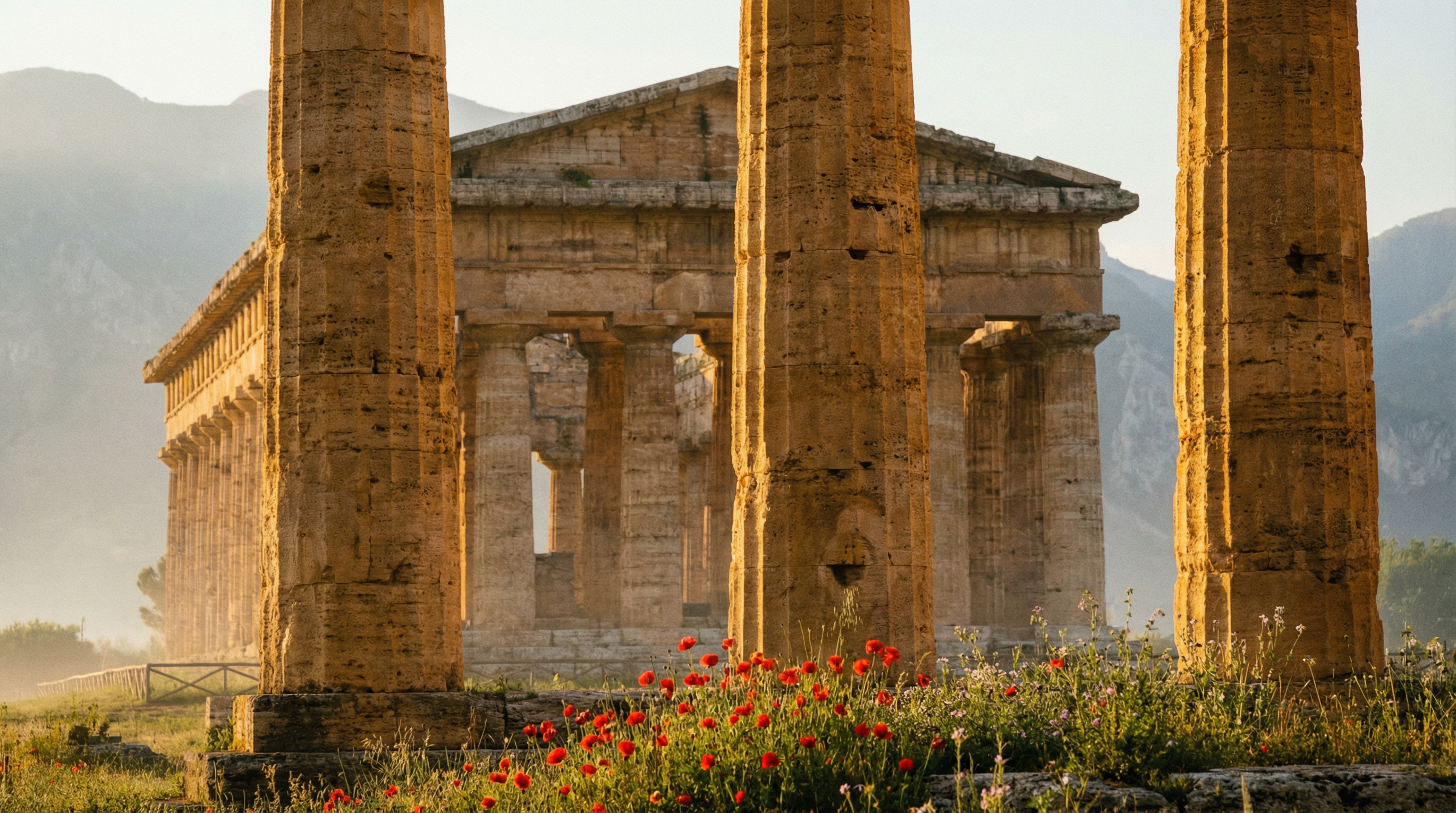
The Cilento Region
UNESCO World Heritage, National Park and undiscovered southern Italy
What is the Cilento?
The Cilento is a peninsula in the south of the Campania region, about 100 km south of Naples and just below the famous Amalfi Coast. What the Amalfi Coast has gained in fame, the Cilento has preserved in authenticity.
Since 1998, the Cilento together with the Vallo di Diano and the archaeological sites of Paestum and Velia has been recognised as a UNESCO World Heritage Site and National Park. With over 180,000 hectares, it is one of Italy's largest national parks.
Life here still follows the rhythm of the seasons. The cuisine is part of the UNESCO Intangible Cultural Heritage – as the cradle of the Mediterranean Diet. The beaches are largely untouched, the inland villages barely visited by tourists.
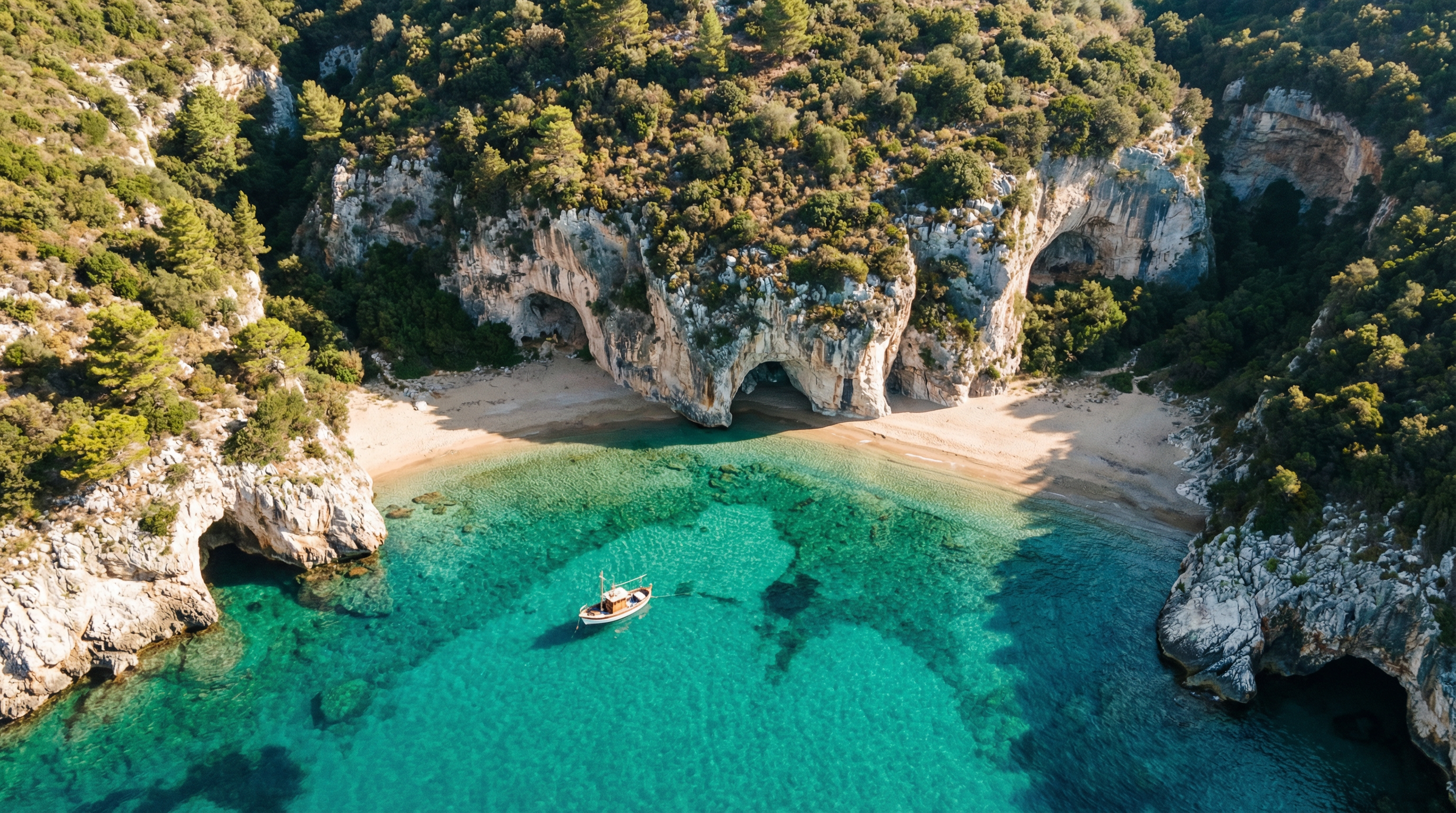
When to travel?
| Month | Weather | Sea | Tourists | Recommendation |
|---|---|---|---|---|
| May–Jun | Warm, 22–26°C | Still cool (20°C) | Few | Ideal for hiking & culture |
| Jul–Aug | Hot, 28–34°C | Warm (26°C) | Moderate | Best swimming season |
| Sep–Oct | Pleasant, 22–28°C | Warm (24°C) | Very few | Hidden gem – perfect time |
| Nov–Apr | Mild, 10–16°C | Cold | Barely any | For hikers & culture lovers |
History & Culture
The Cilento was already significant in antiquity: Greek colonists founded Paestum (Poseidonia) around 600 BC and Velia (Elea) around 540 BC – today two of Italy's most impressive archaeological sites.
In the Middle Ages, Norman castles and monasteries shaped the landscape. The name 'Cilento' derives from the Latin 'Cis Alentum' - 'this side of the river Alento'. To this day, the region is characterised by a deep, down-to-earth culture.
Cradle of the Mediterranean Diet
American nutritionist Ancel Keys discovered in the 1950s in the Cilento that the population, despite modest means, was extraordinarily healthy and long-lived. His research established the concept of the Mediterranean Diet.
In 2010, the Mediterranean Diet was recognised by UNESCO as Intangible Cultural Heritage – with the Cilento as its place of origin.